Betty Botter
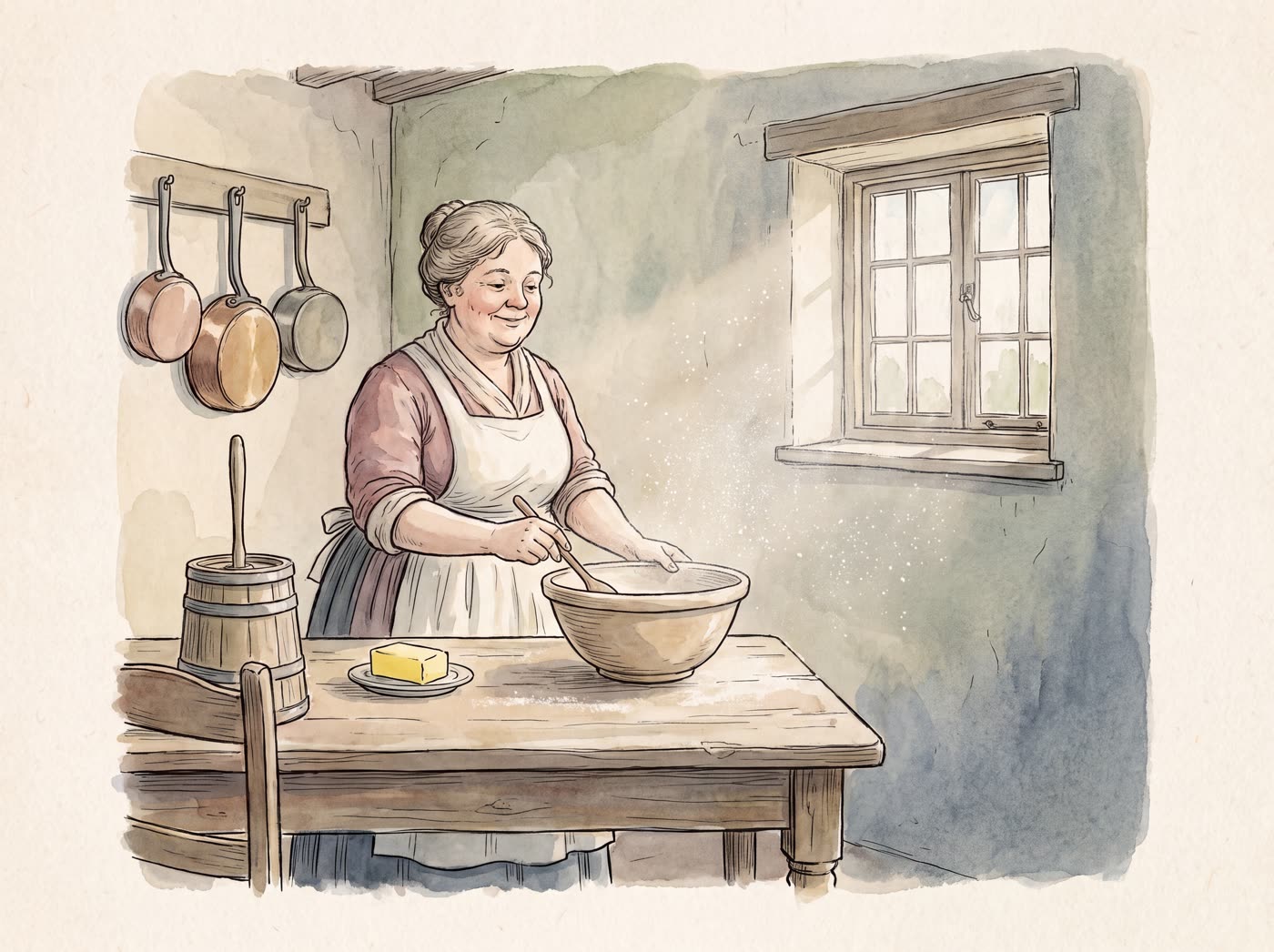
Betty Botter bought a bit of butter,
The butter Betty Botter bought was a bit bitter,
And made her batter bitter.
But a bit of better butter makes better batter,
So Betty Botter bought a bit of better butter,
Making Betty Botter’s bitter batter better.
Where the rhyme comes from
Unlike most nursery rhymes, Betty Botter has a known author. It was written by the American poet and novelist Carolyn Wells and first published in 1899 in her collection The Jingle Book, illustrated by Oliver Herford, under the title “The Butter Betty Bought”. In that first printing the heroine was called Betty Botta, not Botter.
Wells reprinted the piece in A Nonsense Anthology in 1902, and as it passed from elocution manuals into playgrounds the name settled into “Betty Botter” and the lines were trimmed and reshuffled by whoever was reciting them. By the middle of the 20th century it was being printed alongside the traditional Mother Goose rhymes, and many people assume it is centuries old. It isn’t — it is a Victorian-era piece of deliberate wordplay, written for fun and for practice.
What does it mean?
There is no hidden history here, and no plague, king or riot to uncover. The little story is exactly what it says: a cook buys butter, finds it bitter, realises it will spoil her cake batter, and buys better butter to put things right. That is the whole plot.
A speech exercise first. The most likely purpose — and the one that fits the late-19th-century fashion for elocution drills — is phonetic training. The rhyme piles up the b sound and then forces the tongue to flick between the very similar words butter, bitter, batter and better, which differ only in their vowel. Each new line adds another of them, so the difficulty rises as you go.
Folk explanations. You will occasionally see claims that Betty Botter was a real dairywoman or that the rhyme satirises Victorian food adulteration. These are theories offered without evidence, and given that we know Wells wrote the verse as light nonsense for children, they are best treated as folklore rather than fact.
Sharing it with children
Betty Botter is a speed challenge, so begin slowly — slower than feels natural. Say one line at a time and let the child echo it back before adding the next. Exaggerate the vowels: butter, bitter, batter, better. Once the whole thing can be said clearly, start the stopwatch and try to beat yesterday’s time; three clean runs in a row is a much better goal than one lucky fast one.
Other ways to play: whisper it, then shout it; take turns saying alternate lines; or clap the beat while you speak so the rhythm carries you through. Tangles are the whole point, so laugh at the mistakes — and if you happen to be baking, let them taste a little butter and decide for themselves whether it is bitter or better.
Extra verses to sing
These verses aren’t traditional — they’re ours. Add them once the first one is easy.
Betty Botter baked a batch of biscuits,
The batch of biscuits Betty Botter baked was a bit brittle,
And broke her brother’s bowl.
But a batch of better biscuits breaks no brittle bowls,
So Betty Botter baked a batch of better biscuits,
Making Betty Botter’s brittle biscuits better.
Betty Botter borrowed bigger butter barrels,
And bought the better butter by the basket at the barn,
Till all her batter beamed.
So if you buy your butter, buy the better butter, boys —
For bitter butter buyers bake but bitter little batters,
And better butter batters beat them all.