Red Leather, Yellow Leather
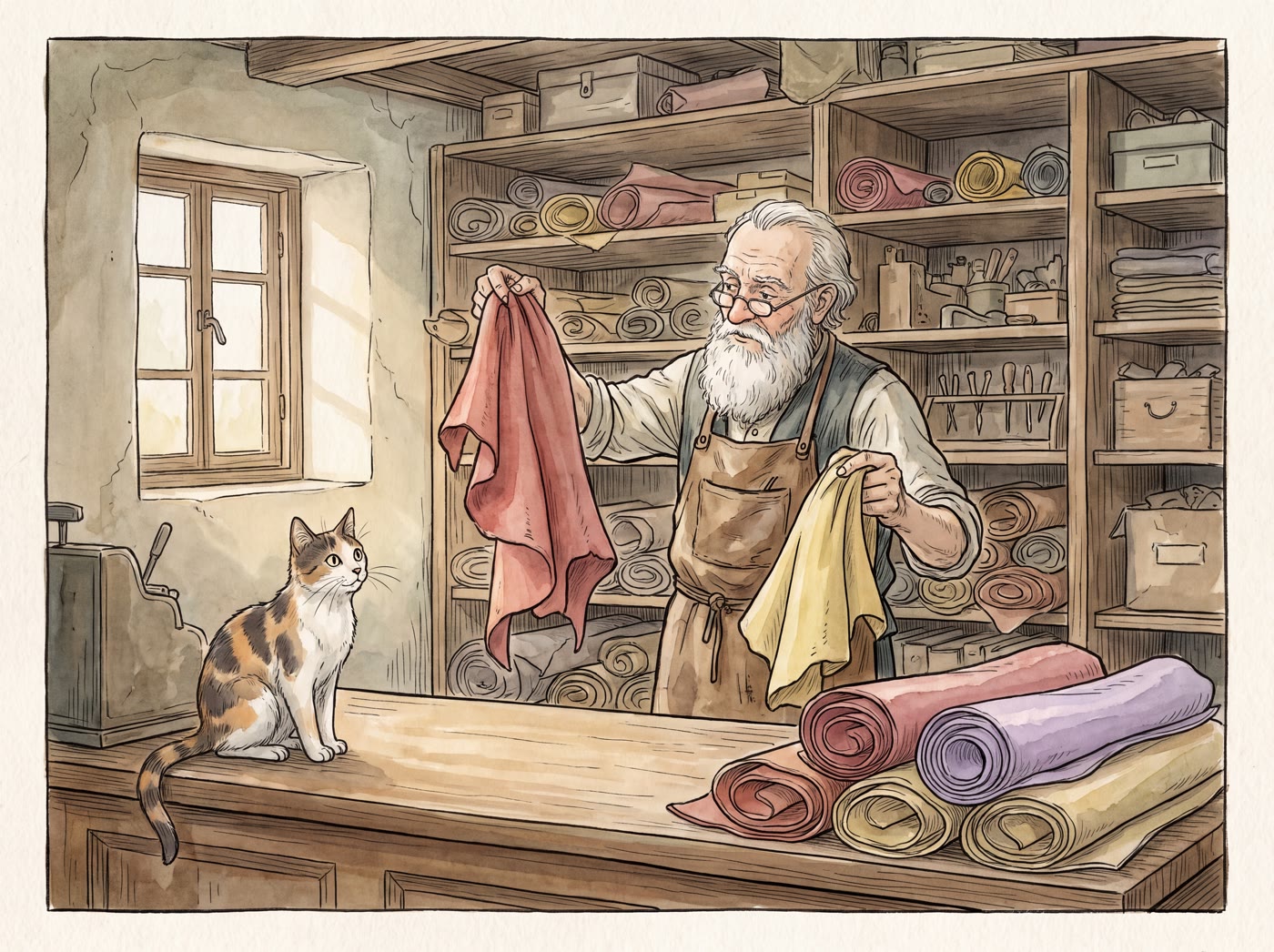
Red leather, yellow leather,
Red leather, yellow leather,
Red leather, yellow leather,
Red leather…
Where the rhyme comes from
Nobody knows who first said it, and nobody has yet found it in print early enough to date. Searches of old elocution manuals and speech-training texts have turned up no early printing, and we have found no sign of it in the standard scholarly collections of rhymes and twisters. In a 2014 blog post, Alistair Gentry, working through a folklore textbook and sorting twisters into old, middle-aged and newer sets, put this one among the newer ones and noted that the book did not include it. The honest answer is twentieth century, author unknown — and anything more precise than that is guesswork.
What we can say is where it lives now. Ask why actors say red leather, yellow leather and the answer is simply that it is one of the staples of the rehearsal room: drama teachers list it among their standard warm-ups, and people remember chanting it in acting classes, choirs and musical-theatre rehearsals, often chained to other favourites such as “a proper cup of coffee in a proper coffee cup”. Voice teachers and drama coaches say it exercises the tip of the tongue on l and r and wakes up the front of the mouth. That is their common view, passed on from teacher to pupil, rather than a finding we have seen documented in any study.
Once the four words come easily, performers tend to make it harder by adding colours. The two extensions you are most likely to hear are “red leather, yellow leather, lavender leather” and the longer chain “red leather, yellow leather, blue leather, green leather”. Both are genuine community wordings rather than fixed texts, and nobody owns the order of the colours.
The phrase has found its way on screen, too: Gentry recalls a nervous Don Draper running through it in an episode of Mad Men, and many people connect it with the film Anchorman (2004).
What does it mean?
Nothing at all beyond the sound. There is no leather merchant, no secret history, no legend — just two colours of leather, said over and over. People often ask what red leather, yellow leather means, and the truthful reply is that its meaning is its difficulty.
Why it is so hard. The trouble lives inside the word leather itself, which in many accents begins with the tongue tip pressed up for l and ends with it curled away for r — so every repetition asks for that switch and then asks for it again. On top of that, the mouth must jump from the short, open e of red to the gliding ye- that begins yellow, and yellow brings a second l straight back. At speed the sounds start borrowing from one another, and the phrase collapses into a mush of “lellow”, “yeller” and, most famously, “yellow letter”. That is a practical description of what the mouth does rather than a piece of settled science — but anyone who has tried it will recognise every slip, and performers treat the slips as the fun of the thing rather than a failure.
Sharing it with children
Start slowly — absurdly slowly. Say red leather and let the child echo it, then yellow leather, then put the pair together. Only when the pair is clean is it worth adding speed; racing from the start simply teaches the tangle.
Then turn it into a colour-card game. Cut out a red card and a yellow card and hold one up at a time: red means the child says red leather, yellow means yellow leather. Begin in a steady pattern, then mix the order and quicken the pace. Saying the wrong colour is inevitable and very funny, so laugh along with every mistake.
Older children will enjoy the add-a-colour round. The first player says “red leather”, the next says “red leather, yellow leather”, and each turn adds one more coloured leather — lavender, blue, green, and whatever the group invents after that — until someone loses the list or their tongue. Finally, try it as a whisper, then at normal volume, then as a big theatrical shout, and let children decide which is hardest.
Extra verses to sing
These verses aren’t traditional — they’re ours. Try them once the four words come easily.
Red leather, yellow leather,
Rolled leather, folded leather,
Red leather, yellow leather,
Lovely leather weather.
Yellow leather, red leather,
Rose leather, lilac leather,
Yellow leather, red leather,
Really rather clever.